


Chimney Maintenance in Summer: 7 Things NZ Homeowners Don’t Realise

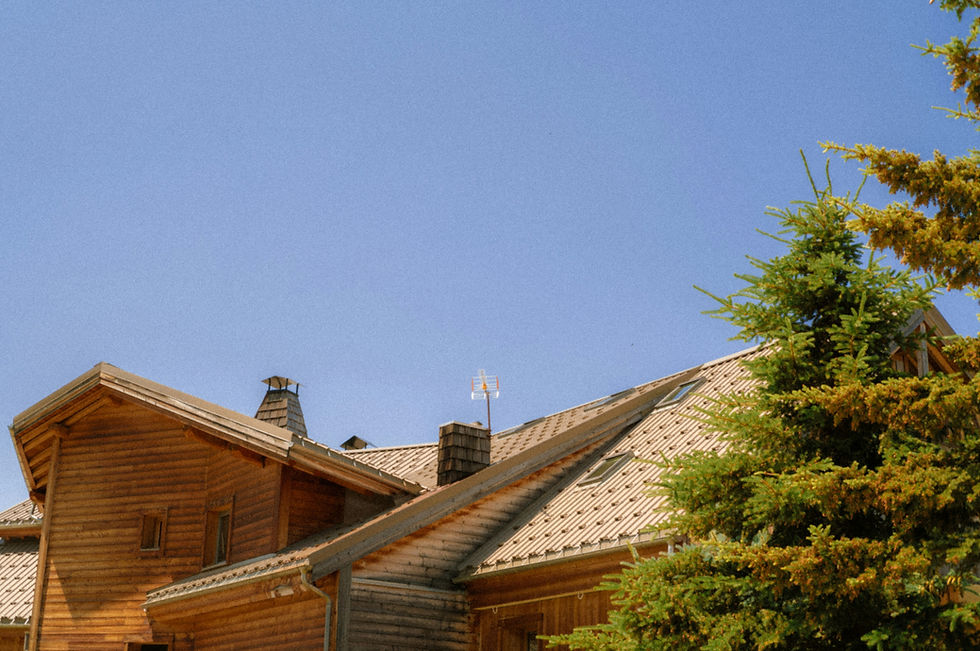
Once the last fire of winter has gone out, it’s easy to forget about your chimney until the temperature drops again.
But while your fireplace may sit unused throughout spring and summer, your chimney certainly doesn’t.
Over the warmer months, chimneys can be exposed to wind, rain, nesting birds, insects and debris. Soot and creosote left behind after winter can also remain inside the flue for months. In a region like Marlborough, where strong winds and changeable weather are nothing unusual, an unused chimney is still exposed to the elements.
Understanding what happens during this downtime can help prevent unpleasant surprises when you light the first fire next winter.
30-Second Answer: The Importance of Chimney Maintenance During Summer?
During spring and summer, an unused chimney can collect leaves, twigs and other wind-blown debris. Birds or insects may investigate the chimney as a potential nesting or sheltering spot, while rain and moisture can enter through damaged or poorly protected chimney components.
Meanwhile, soot and creosote from winter remain inside unless the chimney has been swept.
This is one reason chimney maintenance shouldn’t only be thought about when winter arrives. Spring and summer can be useful times to check, clean and maintain your chimney while the fireplace isn’t needed.
1. Winter Soot and Creosote Don’t Simply Disappear
When you stop using your fireplace, everything deposited inside the chimney during winter stays there.
Wood fires can leave behind soot and creosote — a combustible residue that can accumulate inside the flue. How quickly deposits build up depends on factors such as the wood being burned, how the fire is operated, the chimney system and how frequently the fireplace is used.
Turning the fireplace off for summer doesn’t remove those deposits.
Having the chimney swept after a busy burning season removes accumulated material rather than leaving it sitting inside the flue until the following winter. It also means the chimney is clean and ready well before the first cold Marlborough morning sends everyone rushing back to their fireplaces.
2. Birds May See Your Chimney as Prime Real Estate
An unused chimney can look like a sheltered spot to birds searching for somewhere to nest.
Nesting material can partially or completely block a flue, restricting airflow when the fireplace is eventually used again. Twigs, leaves and feathers can also create a fire risk if they remain unnoticed.
If you hear scratching, chirping or unusual noises coming from your chimney during spring or summer, don’t ignore them. Have the chimney checked before lighting another fire.
3. Marlborough Wind Can Bring in Debris
Strong winds are part of life in Marlborough, and chimneys are particularly exposed.
Leaves, small twigs and other wind-blown debris can find their way into or around chimney openings, particularly if a cowl or other component is damaged or missing.
Summer is a good opportunity to visually check the exterior of your chimney after periods of strong wind. Look for obvious damage, loose components or anything that doesn’t appear to be sitting correctly.
4. Rain and Moisture Can Still Cause Problems
Your fireplace might be dry and unused, but the chimney above it remains exposed to the weather.
Damaged flashing, cracks, deteriorating components or problems around the chimney top can allow moisture to enter. Signs can include damp patches, staining, musty smells or visible deterioration around the fireplace or chimney.
Catching these problems during the warmer months gives you plenty of time to investigate and repair them before you need the fire again.
5. Old Soot Can Contribute to Unpleasant Fireplace Smells
Ever noticed your fireplace smells stronger when the weather warms up?
Soot and creosote left inside a chimney can contribute to smoky or musty odours entering the home, particularly when changes in air pressure cause air to move down the chimney rather than up it.
A persistent or unusual fireplace smell is worth investigating rather than simply masking with air fresheners.
6. Small Problems Have Months to Get Worse
A loose cowl, damaged flashing or deterioration around the chimney may not seem urgent when the fireplace isn’t being used.
The problem is that spring and summer weather can give minor issues months to worsen unnoticed.
Checking your chimney during the warmer months means there’s time to arrange repairs without the pressure of suddenly needing the fireplace. It can also help avoid discovering a problem on the first genuinely cold night of the year.
7. Your Chimney Can Become Blocked Without You Knowing
One of the biggest problems with an unused chimney is simple: you’re not testing it.
Debris, nesting material or other obstructions can develop while the fireplace sits dormant. Everything may look perfectly normal from inside the room.
Before lighting your first fire after a long break, make sure the chimney is clear and ready to use. If you’re unsure about its condition, have it professionally checked and swept first.
Should You Have Your Chimney Swept in Spring or Summer?
You don’t have to wait until autumn to think about your chimney.
Having it swept after the main winter burning season can remove accumulated soot and creosote, identify potential problems and leave the chimney ready for next winter.
It can also be a convenient time to book. Rather than waiting until the first cold snap when chimney sweeps become busy, you can get the job sorted while the fireplace isn’t needed.
For Marlborough homeowners, spring and summer are also a sensible time to check for any damage caused by strong winds or winter weather.
Before You Forget About Your Fireplace for Summer...
Once winter ends, give your fireplace and chimney a quick once-over rather than simply shutting the door until next year.
Check for unusual smells, signs of moisture, debris around the fireplace and visible damage outside. If the chimney has had a busy winter, arrange a professional sweep so you know it’s clean and ready to go.
A little attention now can mean one less job — and potentially one less surprise — when Marlborough gets cold again.
Frequently Asked Questions
How important is chimney maintenance in Summer?
Yes. Spring and summer can be an ideal time to have your chimney swept because the fireplace is no longer in regular use. It removes soot and creosote left from winter and means your chimney is ready before the next cold season begins.
Can a chimney become blocked when it isn’t being used?
Yes. Birds, nesting material, leaves, twigs and other debris can enter an unused chimney. A blockage may not be obvious from inside your home, which is why a chimney that hasn’t been used for several months should be checked before lighting the first fire.
Why does my fireplace smell during summer?
Warm weather, humidity and changes in air pressure can make odours from soot and creosote inside the chimney more noticeable. Persistent smoky or musty smells can also indicate moisture or other chimney issues and are worth investigating.
Should I check my chimney before using it again next winter?
Yes. Before the first fire of the season, check for obvious damage, debris, unusual smells or signs of moisture. If the chimney hasn’t been swept recently or you’re unsure of its condition, arrange a professional chimney sweep before using the fireplace.


Comments